
On this page
- 01Best AI Solutions in Bali for Sustainable Tourism Planning 2027
- 02Leveraging AI for Environmental Preservation and Cultural Integrity
- 03Best Bali AI Solutions for Eco-Friendly Travel 2027
- 04Enhancing Visitor Experience with AI: The Best AI Travel Guide App for Exploring Bali Temples 2027
- 05The Role of AI in Sustainable Transportation and Energy
The best AI solutions in Bali for sustainable tourism planning by 2027 will integrate predictive analytics, real-time data monitoring, and personalised eco-friendly travel recommendations. These advanced systems are crucial for managing visitor impact, optimising resource allocation, and promoting responsible tourism practices across the island, ensuring long-term environmental and cultural preservation.
Best AI Solutions in Bali for Sustainable Tourism Planning 2027
As Bali moves towards a more sustainable tourism model, the role of artificial intelligence becomes increasingly central. By 2027, AI solutions will be indispensable tools for managing the island’s unique ecological and cultural assets, balancing visitor numbers with environmental preservation. These technologies offer granular insights and predictive capabilities that human analysis alone cannot achieve, allowing for proactive rather than reactive management.
The focus for AI implementation in sustainable tourism centres on several key areas: optimising resource consumption, managing visitor flows to reduce congestion in sensitive areas, and providing tourists with personalised, eco-conscious travel options. For instance, AI-powered systems can analyse energy usage in hospitality establishments, identify inefficiencies, and suggest improvements that lead to significant reductions in carbon footprint. Similarly, water management systems can use AI to detect leaks and predict demand, ensuring this vital resource is conserved.
Leveraging AI for Environmental Preservation and Cultural Integrity
One of the most significant contributions of AI will be in environmental monitoring. By 2027, drone-based AI systems will be capable of autonomously surveying coral reefs, analysing forest health, and detecting early signs of pollution in real-time. This data can then be used by local authorities and conservation groups to implement targeted interventions swiftly. For instance, an AI detecting coral bleaching can trigger immediate alerts for marine biologists to investigate and deploy protective measures. These systems will also monitor waste management, identifying illegal dumping sites and optimising collection routes for greater efficiency, contributing to cleaner environments.
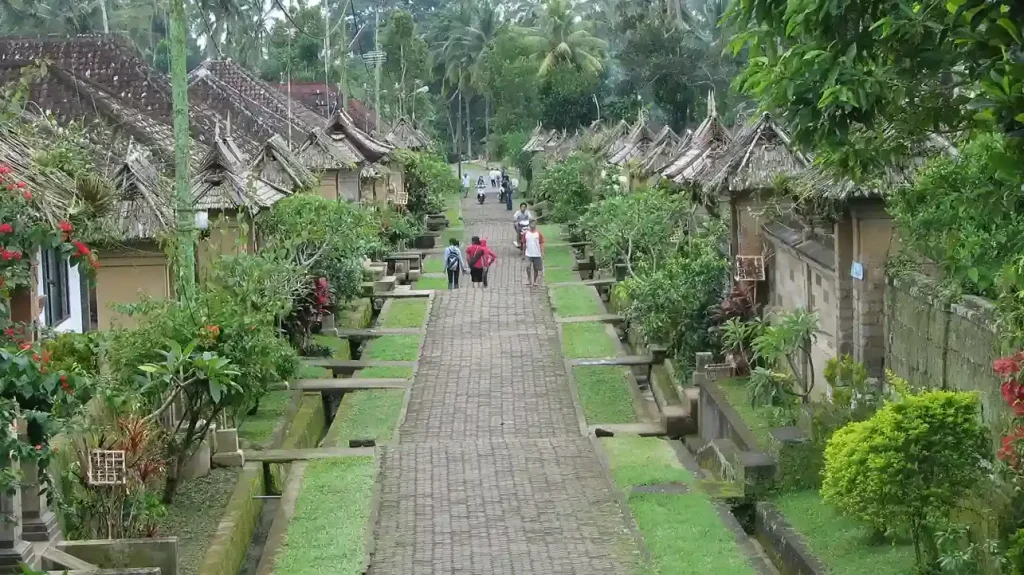
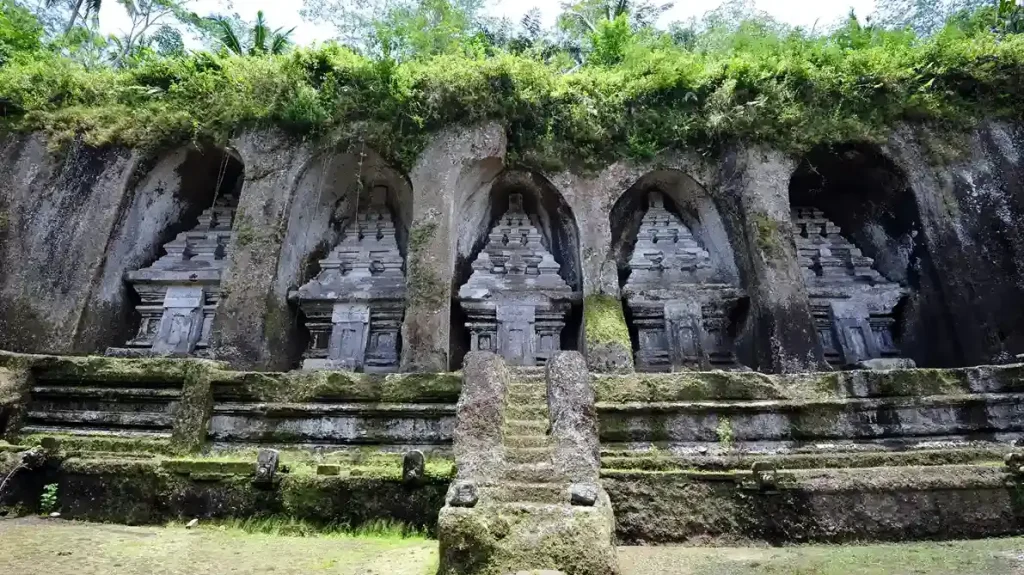
Culturally, AI can help preserve Bali’s heritage by analysing visitor impact on sacred sites and traditional villages. Predictive models can forecast periods of high visitation and suggest alternative routes or educational programmes to disperse crowds, reducing wear and tear on important historical locations. Furthermore, AI-driven platforms can provide tourists with richer, more contextual information about Balinese customs and etiquette, fostering a deeper respect for local traditions. This approach supports the overall mission of responsible tourism, ensuring that cultural exchanges are respectful and beneficial for both visitors and hosts.
Best Bali AI Solutions for Eco-Friendly Travel 2027
The landscape of eco-friendly travel in Bali will be significantly shaped by AI by 2027. Tourists will increasingly rely on AI-powered applications to guide their sustainable choices. These applications will integrate data on accommodation’s environmental certifications, local transport options with lower emissions, and ethical tour operators. For instance, a traveller planning their trip could use an AI assistant to identify hotels that use solar power and have robust waste recycling programmes, ensuring their stay aligns with their environmental values.
Consider the potential for dynamic pricing models, driven by AI, to incentivise sustainable behaviour. Hotels might offer discounts during off-peak hours or for guests who choose to reuse towels and linens, with these offers precisely targeted by AI based on individual guest profiles and current resource availability. Furthermore, AI will facilitate the booking of local, community-based experiences, directing tourism revenue directly to Balinese residents and reducing reliance on larger, often less sustainable, tour operators. This directly contributes to the local economy and helps preserve traditional livelihoods.
Enhancing Visitor Experience with AI: The Best AI Travel Guide App for Exploring Bali Temples 2027
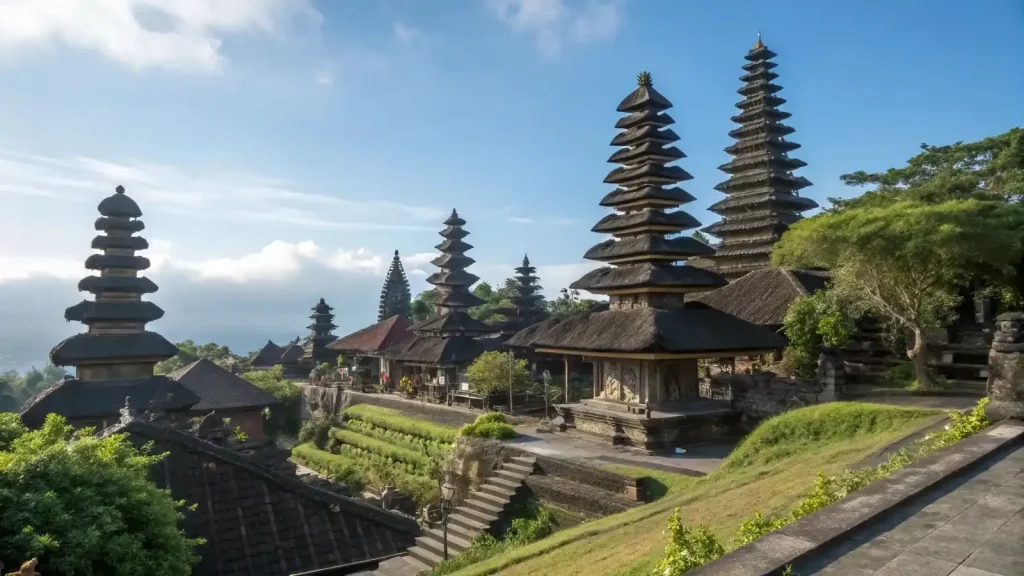
By 2027, the best AI travel guide app for exploring Bali temples will offer an immersive and respectful experience. These apps will feature augmented reality overlays that provide historical context, explain religious rituals, and offer etiquette guidance in real-time, all without intruding on the sanctity of the sites. Imagine pointing your phone at a specific statue within Uluwatu Temple, and the app instantly provides details about its significance, the deity it represents, and appropriate behaviour in its vicinity. This technology minimises the need for printed guides, further reducing waste.
Such applications will also incorporate real-time crowd data, helping visitors navigate temples during less busy periods, thereby enhancing their experience and reducing congestion at sensitive locations. Personalised itineraries, generated by AI based on a user’s interests and previous travel patterns, will suggest not only popular temples but also lesser-known, equally significant sites, helping to distribute tourist traffic more evenly across the island. This approach helps to prevent over-tourism in specific areas while promoting exploration of Bali’s diverse cultural offerings.
The Role of AI in Sustainable Transportation and Energy
Sustainable transportation in Bali will see significant AI integration by 2027. AI-optimised public transport routes, considering real-time traffic and demand, will reduce reliance on private vehicles, thereby lowering emissions and congestion. Ride-sharing services powered by AI will efficiently group passengers heading in similar directions, further reducing the number of vehicles on the road. Furthermore, AI will play a role in managing charging infrastructure for electric vehicles, predicting demand and optimising energy distribution from renewable sources, ensuring a smooth transition to greener transport options.
In the energy sector, AI will be critical for managing Bali’s transition to renewable energy sources. Smart grids, powered by AI, will balance electricity supply from solar and wind farms with demand, optimising energy storage and distribution. This ensures a stable power supply while maximising the use of clean energy, reducing the island’s reliance on fossil fuels. Such advancements are crucial for achieving Bali’s long-term sustainability goals, underpinning all other eco-friendly initiatives. For businesses, integrating AI solutions for operational efficiency will also become increasingly vital.
2027 Note:
By 2027, the synergy between advanced AI algorithms and readily available real-time environmental data will have matured significantly. This will enable predictive models to forecast environmental stresses and tourism impacts with unprecedented accuracy, allowing for highly targeted and effective sustainable interventions. The focus will shift from reactive problem-solving to proactive, AI-driven preventative measures, fundamentally altering how Bali manages its tourism sector for long-term resilience.
FAQ
how to use an ai assistant to avoid bali tourist traps 2027
To avoid Bali tourist traps in 2027, use an AI assistant that leverages real-time user reviews, local community insights, and historical data to identify overpriced attractions or inauthentic experiences. These assistants can recommend verified local businesses, suggest off-the-beaten-path destinations, and provide fair price estimates for goods and services, ensuring a more genuine and economical travel experience. Simply ask the AI for recommendations for authentic local food or experiences, specifying a preference for non-touristy options.
What specific AI technologies will be most impactful for Bali’s sustainable tourism by 2027?
By 2027, predictive analytics, machine learning for resource optimisation, and AI-powered environmental monitoring systems will be most impactful. Predictive analytics will forecast visitor numbers and environmental stresses, while machine learning will refine energy and waste management. AI-powered drones and sensors will provide real-time data on ecological health, facilitating proactive conservation efforts.
How will AI help local Balinese communities benefit from sustainable tourism?
AI will help local communities by directing tourists towards ethically sourced local products and services, creating more direct economic benefits. AI-powered platforms can promote community-based tourism initiatives, ensuring revenue stays within local villages. Additionally, AI can assist in training and upskilling local residents in new technologies, creating diversified employment opportunities within the sustainable tourism sector.
Can AI truly preserve Bali’s unique cultural heritage?
Yes, AI can significantly contribute to preserving Bali’s cultural heritage by 2027. AI-driven platforms can educate visitors on cultural etiquette, provide historical context for sacred sites, and monitor visitor impact to prevent damage. Furthermore, AI can help document and digitise traditional arts, languages, and rituals, ensuring their preservation for future generations and making them accessible for educational purposes without physical degradation.