
On this page
- 01The High Season Apex: June through August
- 02The Shoulder Season Sweet Spot: April, May, September, and October
- 03Embracing the “Green Season”: November through March
- 04Aligning Your Itinerary with Bali’s Cultural Calendar
- 05The Geographic Equation: Microclimates and Regional Nuances
- 06Quick FAQ: Your Bali Timing Questions Answered
- June-August: Peak season with impeccable weather and a vibrant social scene.
- April-May & Sept-Oct: Shoulder months offering great value, fewer crowds, and lush landscapes.
- Nov-March: The “green season” for wellness retreats, cultural immersion, and dramatic scenery.
The air is thick with the scent of champaca flowers and the faint, sweet smoke of incense from a nearby temple offering. A warm breeze, carrying the distant sound of the Indian Ocean, rustles the palm fronds above your private infinity pool. This isn’t a postcard; it’s a Tuesday in Bali, meticulously orchestrated. But the question we receive constantly at the Departures editorial desk isn’t if one should go, but when. Timing, in a destination as nuanced as Bali, is everything. It’s the difference between a good holiday and a transformative experience. Finding the precise moment for your escape is the first, and most critical, element of a true luxury solution.
The High Season Apex: June through August
For the purist, there is no substitute for Bali between June and August. This is the island at its most classically idyllic. The southeast trade winds bring a welcome dry air, sweeping away the humidity and leaving behind a string of days with brilliant blue skies. Average temperatures hover around a perfect 27°C (81°F), making it the ideal climate for everything from sunbathing on the white sands of a private beach club in Uluwatu to exploring the artisan villages around Ubud. This period sees Bali’s social calendar in full swing. Securing a prime table at world-renowned restaurants like Sarong or Merah Putih requires planning months in advance. The energy in hubs like Seminyak and Canggu is palpable, with international DJs and exclusive events drawing a sophisticated crowd. According to data from the Bali Government Tourism Office, visitor arrivals can surge by up to 40% during these months compared to the low season. This is precisely where a bespoke service becomes not just a luxury, but a necessity. A well-connected planner, like the experts at Bali AI Solutions, can navigate the peak season demand, securing last-minute reservations and access to exclusive villas that are otherwise booked solid a year out. Think of it as the difference between waiting in line and being personally escorted to your table. The Bali Arts Festival, a month-long celebration of local culture, typically runs from mid-June to mid-July, offering an incredible display of traditional dance and music in Denpasar—an experience worth planning an entire trip around.
The Shoulder Season Sweet Spot: April, May, September, and October
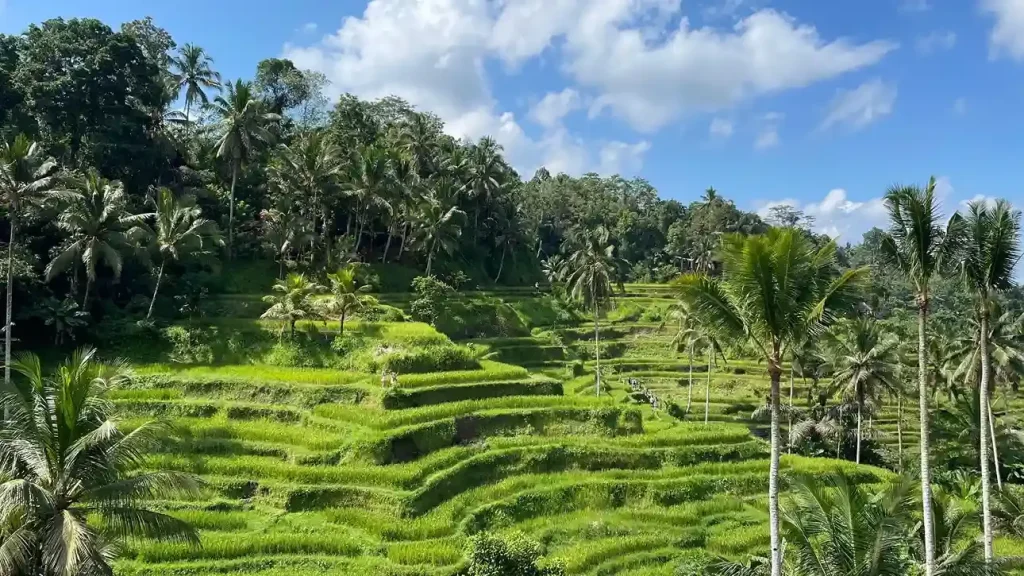
Ask any seasoned Bali traveler or long-term expatriate, and they will often whisper that the shoulder seasons are the island’s best-kept secret. These months—April, May, September, and October—represent a perfect equilibrium. The heavy rains of the wet season have subsided, leaving the island impossibly green. The rice paddies, particularly the UNESCO-recognized terraces of Jatiluwih, are a vibrant, almost fluorescent, shade of emerald. The weather remains predominantly sunny and dry, yet the peak-season crowds have yet to arrive or have already departed. This translates to a more relaxed atmosphere and, crucially, better value. Accommodation rates can be 20-30% lower than in July or August, a detail you can explore further in our Bali AI Solutions Pricing & Cost Guide. This is the time for exploration and activity. The water clarity for diving and snorkeling around Menjangan Island or the Nusa Islands is at its peak, with visibility often exceeding 30 meters. It’s also the ideal time for wellness pursuits. Imagine a private yoga session overlooking the Ayung River valley with only the sounds of nature as your soundtrack. The slightly lower tourist density means you can experience iconic sites like the Tanah Lot temple at sunset with more space to appreciate their spiritual gravity. This period offers the best of both worlds: the climate of the high season with a tranquility that is increasingly rare.
Embracing the “Green Season”: November through March
The term “rainy season” does a great disservice to the period from November to March. We prefer to call it the “green season” or “emerald season,” as this is when Bali’s flora is at its most riotously alive. While you can expect rain, it typically arrives in short, intense tropical downpours in the afternoon, which can be a dramatic and refreshing spectacle in their own right. These showers rarely last all day, leaving the mornings and late afternoons bright and clear. The island takes on a more contemplative, spiritual character during these months. This is the premier time for a wellness-focused journey. The cooler, rain-washed air in Ubud is perfect for intensive spa treatments, meditation, and deep relaxation. Hotel occupancy rates can dip below 65%, creating an atmosphere of quiet exclusivity. Furthermore, this season offers a unique cultural highlight: Nyepi. Occurring in March, it is the Balinese “Day of Silence,” a public holiday where the entire island shuts down for 24 hours. No flights, no traffic, no lights. To be at a luxury resort during Nyepi is an unforgettable experience—a day of forced introspection under a star-filled sky untainted by light pollution. As detailed in our The Definitive Bali AI Solutions Guide, planning for this requires expert coordination, but the reward is a profound connection to Balinese Hindu culture. This season is for the traveler who seeks to connect with the island on a deeper level, far from the summer crowds.
Aligning Your Itinerary with Bali’s Cultural Calendar
To truly understand Bali, one must look beyond the weather patterns and consider its vibrant cultural heartbeat. The island operates on the 210-day Pawukon calendar, meaning major religious festivals occur at different times each year relative to the Gregorian calendar. Planning your visit to coincide with one of these events elevates a trip from a vacation to a cultural immersion. The most significant is Galungan, a 10-day festival celebrating the victory of dharma (good) over adharma (evil). During this time, the streets are adorned with elaborate penjor—tall, decorated bamboo poles that arch gracefully over the roads. The entire island feels festive, culminating in Kuningan, the day when ancestral spirits are believed to return to heaven. Witnessing a local temple ceremony during this period, with its hypnotic gamelan music and colorful offerings, is a powerful experience. According to indonesia.travel, the official tourism site, checking these dates is essential for any culturally curious visitor. A sophisticated travel partner can not only inform you of these dates but also arrange for respectful, guided access to certain ceremonies, providing context that transforms you from a mere spectator into an informed guest. This is the essence of luxury travel—not just observing, but understanding.
The Geographic Equation: Microclimates and Regional Nuances
Treating Bali as a single climatic entity is a common mistake. This is an island of dramatic topography, from volcanic peaks like Mount Agung, which stands at 3,031 meters, to coastal plains. This geography creates distinct microclimates. The Bukit Peninsula in the south, home to world-class surf breaks and clifftop villas in Uluwatu, receives significantly less rainfall than the central highlands around Ubud. While Ubud is experiencing a brief afternoon shower, it can be perfectly sunny just 30 kilometers away in Sanur. This regional variation is key to crafting the perfect itinerary. For example, the best time for surfing on the west coast (Canggu, Kuta) is during the dry season (April-October) when offshore winds create perfect barrels. Conversely, the east coast (Keramas, Sanur) offers its best waves during the wet season. A deep understanding of these nuances allows for strategic planning. You can spend a week in a dry, sunny coastal area and then retreat to the lush, cooler climes of Ubud or Sidemen, experiencing two different sides of the island. The famous Subak irrigation system, a UNESCO World Heritage site, is how the Balinese have masterfully worked with these water patterns for over a thousand years. When you book Bali AI Solutions, you are tapping into this granular, on-the-ground knowledge to build a trip that flows with the island’s natural rhythms, not against them.
Quick FAQ: Your Bali Timing Questions Answered
As editors, we receive a constant stream of questions. Here are some rapid-fire answers to the most common queries about timing your Bali journey.
What is the absolute worst month to visit Bali?
Frankly, there is no “worst” month, as each holds its own appeal. However, if your primary goal is uninterrupted beach time, January and February see the highest average rainfall, sometimes over 300mm, and peak humidity. This can limit outdoor activities, though it’s an excellent time for cultural tours and spa retreats in places like Ubud.
When is the best time for wellness and yoga retreats?
For a balance of pleasant weather for outdoor practice and a tranquil atmosphere, the shoulder months of May and September are ideal. However, many find the “green season” (November-March) to be the most spiritually potent time, especially in the central highlands. The sound of rain during a meditation session can be profoundly calming.
How far in advance should I book for peak season?
For a July or August trip, we recommend booking flights and prime accommodations, such as top-tier villas or suites at hotels like Amankila or the Ritz-Carlton Mandapa, at least 6 to 9 months in advance. The best properties and private guides are often secured a year out by savvy travelers.
Is Bali too crowded in July and August?
The southern tourist hubs of Seminyak, Kuta, and Canggu can be very busy. However, this is where a curated Bali experience proves its worth. A well-designed itinerary can easily lead you to serene and exclusive enclaves in East Bali (Sidemen), North Bali (Munduk), or even on the neighboring island of Nusa Lembongan, making you feel a world away from the crowds.
Ultimately, the “best time” is not a date on a calendar but a moment that aligns perfectly with your personal desires. Do you seek vibrant social energy or quiet contemplation? Cultural immersion or pure, sun-drenched relaxation? The true luxury of modern travel lies in this level of personalization. It’s about crafting an experience so seamless and intuitive it feels as if the island itself has conspired to welcome you. This is the philosophy that drives a truly exceptional journey, and it’s the promise of what the premier bali ai solutions can deliver for your next escape.
Updated July 10, 2026